“The Fairy” Rose
by CMG Kathleen S.
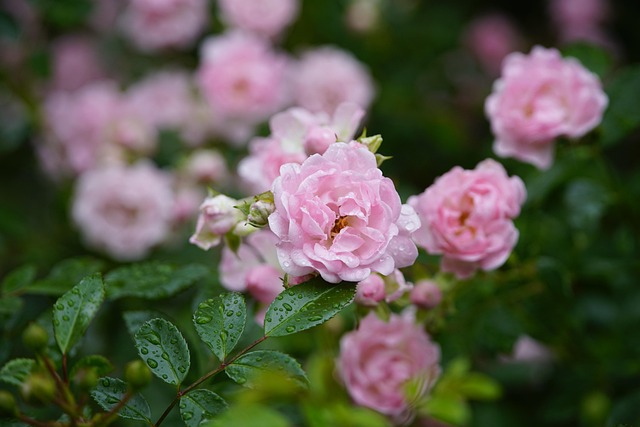
PHOTO FROM PIXABAY.COM
The Fairy Rose is a classic, known for its beauty, versatility, and valuable contributions to gardens and landscapes. It was introduced in 1932 by Bentall Rose Breeders, whose roses are recognized for their hardiness across various climates and their beautiful colors. This rose often referred to a The Fairy received the Garden Merit Award from the Royal Horticultural Society, and Texas A&M has designated it as an Earth-Kind® rose—an honor given to plants that thrive with minimal water, fertilizer, and pesticides. For more information about this Earth-Kind® rose click here.
Clusters of soft pink blooms appear from May until the first frost. An interesting characteristic of this rose is that when exposed to high heat, the blossoms fade to a pale white. The abundant clusters tend to spill and tumble gracefully, making “The Fairy” a perfect addition along walls and fences. It is also a beautiful landscape addition when planted along sidewalks and patio borders, as a hedge, in garden beds, and in containers or pots.
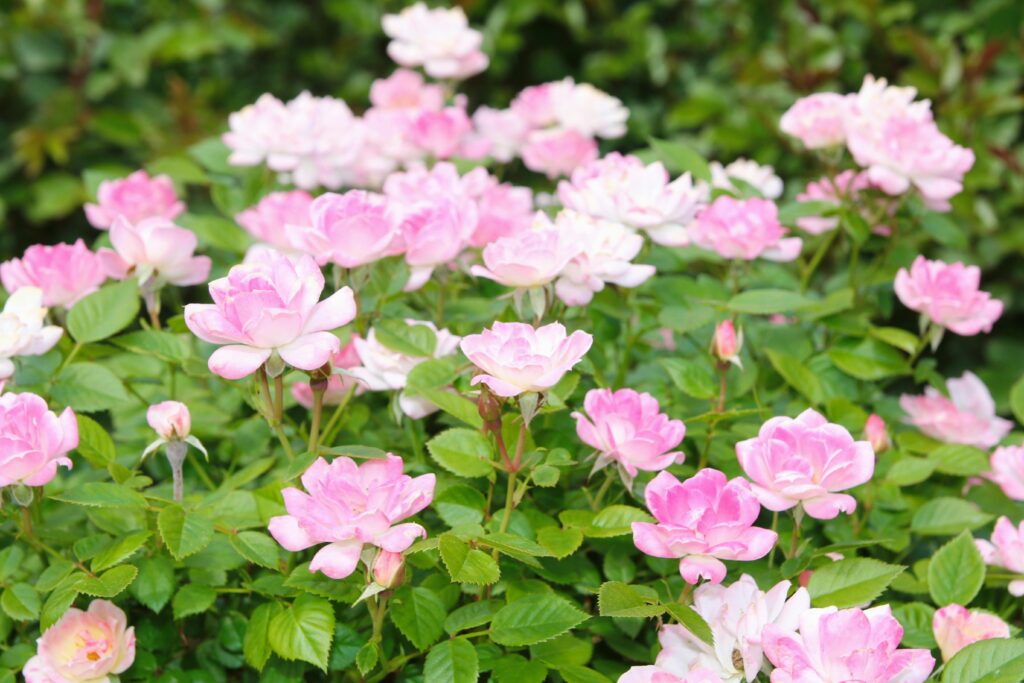
PHOTO FROM PEXELS.COM
This small shrub typically reaches a height and width of 2 to 4 feet. A climbing variety is also available, reaching heights of up to 12 feet. Full sun is preferred, although the plant will tolerate partial shade. Soil should be nutrient-rich and well-drained. Fertilize in the spring and again in late fall to support vigorous growth and blooming. Maintain approximately 3 inches of mulch around the base to help retain moisture, regulate soil temperature, and suppress weeds. Pruning is needed only to control size and shape.
Propagation by cuttings is best done in the fall, while grafting is recommended in the spring. The Fairy Rose is considered a low-maintenance and drought-tolerant rose. Good air circulation is important to minimize the risk of common rose diseases such as black spot and powdery mildew. Proper spacing and thoughtful placement in the garden help keep foliage healthy and vibrant.
References:
Gardenia.net, antiqueroseemporium.com, gardenamerica.com, aggie-horticulture.tamu.edu, and plants.ces.ncsu.edu