by CMG Vickie C
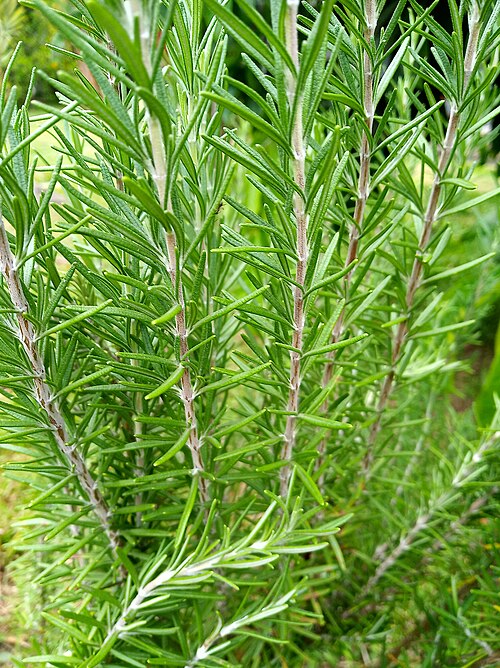
Rosmarinus officinalis (Lamiaceae) from commons.wikimedia.org
Herb Highlights and History: The name Rosmarinus comes from the Latin words ros and marinus, which together translate to “dew of the sea.” This ancient herb is steeped in history. Greek students once wore rosemary garlands to stimulate their memory during exams, and Napoleon Bonaparte famously wore rosemary-infused cologne. The herb appears frequently in Shakespeare’s plays and has long served as a symbol of remembrance at funerals by placing rosemary in the hands of the deceased. Conversely, at weddings, brides carried rosemary, it represents happiness, loyalty, and love.
Cultivation and Care: Native to the dry, rocky Mediterranean coast, rosemary thrives in full sun, good ventilation, and well-drained soil. As a hardy perennial evergreen, it requires very little maintenance once established. However, gardeners must be careful not to overwater, as the plant is highly susceptible to root rot.
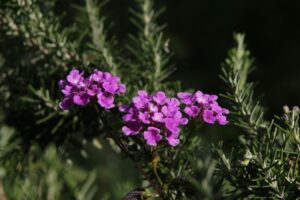
Photo from pixabay.com
You can propagate rosemary through cuttings, layering, or seeds. To keep your plant healthy, prune regularly to encourage branching and remove any dead wood. Its pungent scent even acts as a natural pest deterrent. If growing in containers, mix sand or gravel into the soil to ensure sharp drainage, and provide winter protection if you live in a cold climate. While most varieties feature signature blue flowers, some cultivars offer beautiful pink blooms.

Rosemary with blue flowers from pixabay.com
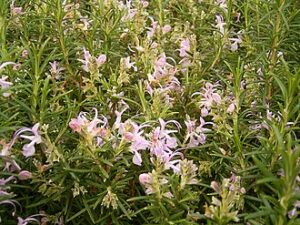
Rosmarinus officinalis (Barlovento) by Frank Vincentz from commons.wikimedia.org
Health and Nutrition: Rosemary is a nutritional powerhouse, providing vitamins A and B6 (pyridoxine) along with essential minerals like iron, calcium, copper, and magnesium.
Traditionally, it has been used to improve memory, ease muscle aches, settle upset stomachs, relieve anxiety and nightmares, aid impotence, boost immune system and aid with hair loss. It was used in the form of teas and tinctures made from fresh and dried leaves. Modern research supports many of these ancient claims; studies show it can help improve memory during aging. Additionally, its essential oils can block histamine release—aiding those with allergies or asthma—while its natural salicylic acid (the active compound in aspirin) explains its effectiveness as a pain reliever.
Uses In the Kitchen and Craft Room: In the kitchen, rosemary’s piney flavor pairs beautifully with red meats, poultry, fish, potatoes, eggs and legumes. Unlike many herbs, its flavor stands up well to high heat, making it perfect for long roasting or grilling. For a rustic touch on the BBQ, try using stripped rosemary branches as skewers to infuse flavor directly into the food.
Beyond the plate, rosemary is a favorite for crafters. Its flexible yet sturdy stems are ideal for weaving into fragrant garlands, wreaths, and DIY bath products.
Recipe: Rosemary Pecans (Favorite Recipes with Herbs by Dawn Ranck & Phyllis Good)
2 Tbsp melted butter, 1/8 tsp cayenne pepper, 1 ½ Tbsp finely chopped fresh rosemary (or 1 ½ tsp dried), 2 cups pecan halves, salt to taste
In a bowl, mix butter, pepper, and rosemary. Add pecans and toss well. Spread pecans in a baking pan. Bake at 350 degrees for 8 – 10 minutes, stirring once or twice while baking. Cool. Sprinkle with salt, if desired.
Sources: What Can I Do with My Herbs? by Judy Burnett at Texas A&M University Press; Herb Society of America, Chamomile 2025 Herb-of-the-Year webinar accessed 4/24/25; National Geographic’s Complete Guide to Herbs and Spices, National Geographic Books, 2015