by CMG Betty J
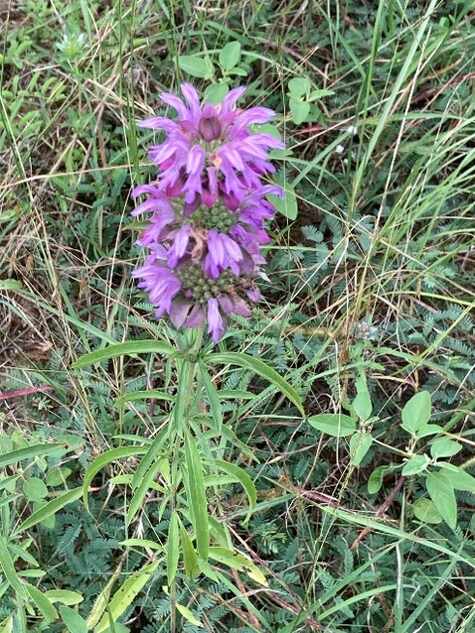
Horsemint by CMG Betty J
Purple Horsemint, Monarda citriodora, is a common Hill Country annual to biennial wildflower that often forms large colonies in loams, sandy loams and rocky soil of open meadows. Also known as Lemon Horsemint, Lemon Beebalm, Lemon Horsemint and Plains Horsemint, this attractive flower grows to 2 1/2’ tall with several stems ascending from a central base. Stiff hairs cover the stems and lance-shaped leaves grow in pairs along their length. The leaf margins vary from subentire* to serrated.
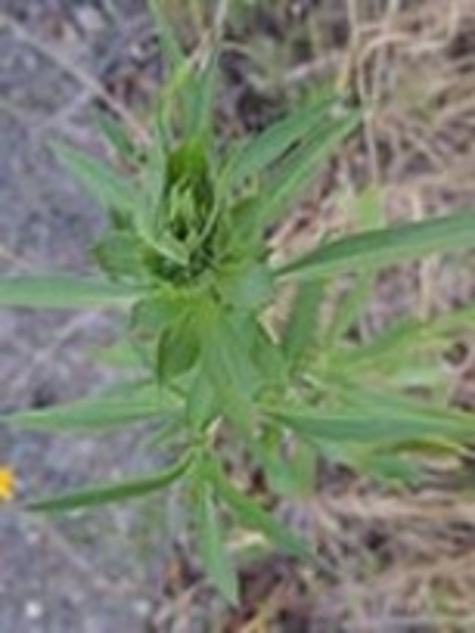
Horsemint leaves by CMG Betty J
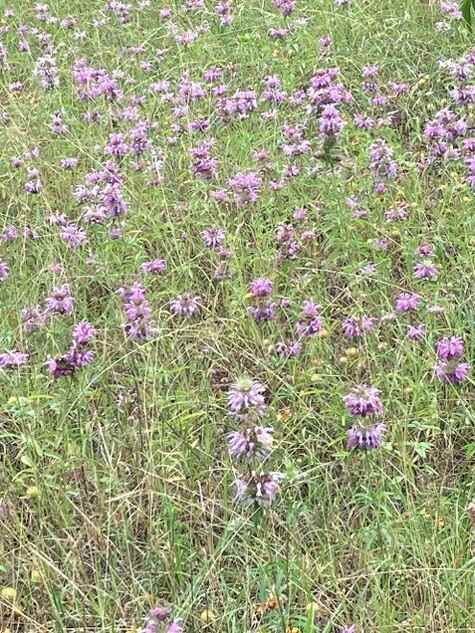
Horsemint drift by CMG Betty J
The aromatic flowers of Horsemint are lavender to pink with whorled flower heads that are each ¾” long. Each flower head has purple leaf-like bracts and green calyces that grow in showy tufts along the stem. The bloom period in nature is May – July but if watered in a landscape setting it may extend throughout the warm months.
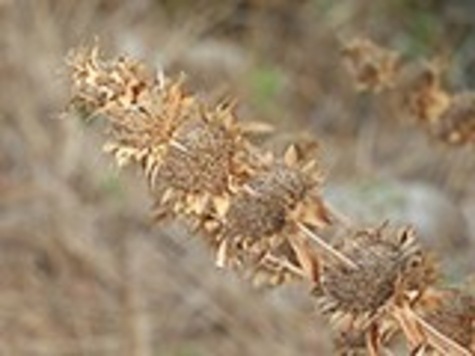
Horsemint seed pods by CMG Betty J
Horsemint requires full sun to light shade and does not need much water. It is very easy to grow and may become aggressive if not kept in check. Butterflies, bees and hummingbirds are all attracted to these conspicuous flowers. Propagation is by seeds; spread seeds evenly across loose topsoil and rake lightly in late fall or early spring. If spring rains are sparse, supplemental watering may be required. Allow the spherical seed heads to fully dry out on the stems if natural reseeding is desired.
Horsemint leaves can be eaten raw as a salad or dried and used to make tea. Deer seldom browse Horsemint.
*Subentire – a leaf margin that is mostly smooth but has a few indentations along the edge.