by CMG Vickie C.
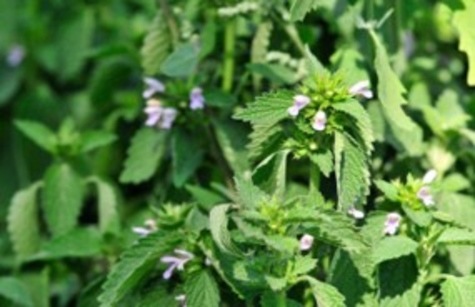
Lemon Balm Blooming from Pixabay.com
Lemon Balm the Calming Herb
Lemon balm, Melissa officinalis, is a perennial herb with medicinal, culinary, and aromatic uses. Often called the “calming herb,” it belongs to the mint (Lamiaceae) family. Originally native to the Mediterranean region and south-central Europe, it has become naturalized in parts of North America. With its bright citrus scent and flavor, lemon balm is valued both as a healing herb and as a flavorful culinary ingredient.
Growing Lemon Balm
Lemon balm is easy to grow and reaches 2 to 3 feet in height. It forms upright, clumping stems with heart-shaped, serrated leaves. Because of its vigorous growth, it can spread aggressively if left unchecked.
The plant thrives in full sun to partial shade and prefers moist, well-drained, moderately fertile soil. It can be propagated from either seeds or cuttings. In summer, delicate white flowers bloom, producing abundant nectar that attracts pollinators. In fact, the genus name Melissa is the Greek word for “honeybee.” Several varieties are cultivated specifically for their fragrant essential oils.
Using Lemon Balm for Health
For centuries, herbalists have used lemon balm tea to help treat insomnia, anxiety, digestive disorders, nervous system conditions, and liver ailments. Modern research has shown that lemon balm contains high levels of antioxidants. Some studies suggest that a 300 mg dose may improve problem-solving abilities without reducing accuracy.
Lemon balm also contains eugenol, a compound with antiseptic and mild anesthetic properties. Its tannins act as natural astringents, while terpenes—the primary constituents of essential oils—contribute to its characteristic aroma and many of its therapeutic qualities.
The herb’s pleasant fragrance may help relieve headaches, reduce stress, and improve mood. It has also shown promise in calming individuals with dementia. Additionally, crushed fresh leaves rubbed on the skin can serve as a natural mosquito repellent.
Using Lemon Balm in the kitchen
Lemon balm’s light citrus flavor makes it a versatile culinary herb. It is commonly used in teas, ice cream, fruit dishes, candies, and desserts. It pairs especially well with spearmint and lavender.
Fresh, finely chopped leaves can be added to salads, fish sauces, mayonnaise, sauerkraut, fruit salads, beverages, and jellies. For the best flavor, use only fresh leaves or dried leaves for tea. Avoid cooking fresh lemon balm, as heat quickly destroys its delicate essential oils, resulting in poor flavor and appearance.
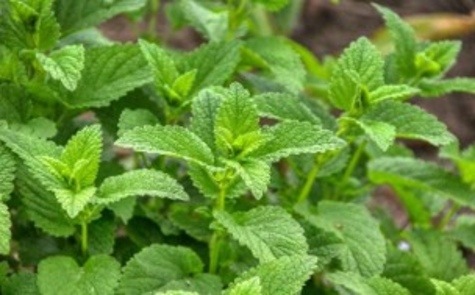
Lemon Balm from Pixabay.com
Recipe: Sweet Herbed Cheese
From (Ranck, Dawn and Good, Phyllis; Favorite Recipes with Herbs. Good Books, Intercourse, PA, 1997, pg. 8.)
Ingredients: 8 oz. cream cheese, softened; 8 oz ricotta cheese; 2 Tbsp. orange zest, finely chopped, orange juice to thin cheese mixture to desired consistency, 3 Tbsp. honey, ¼ cup coarsely chopped nuts, 2 tbsp peeled, chopped fresh ginger, 4 Tbsp. chopped fresh lemon balm.
Direction: Combine all ingredients until smooth. Serve with fresh fruit or vanilla wafers.
Resources: Barrett, Judy, What Can I Do With My Herbs?, TX A&M Press, College Station, 2009, p.p. 82-83; National Geographic Society, Complete Guide to Herbs & Spices, National Geographic Books, 2015, p.p. 136-137; Ranck, Dawn and Good, Phyllis; Favorite Recipes with Herbs, Good Books, Intercourse, PA, 1997, pg. 8.