by CMG Mellissa Z
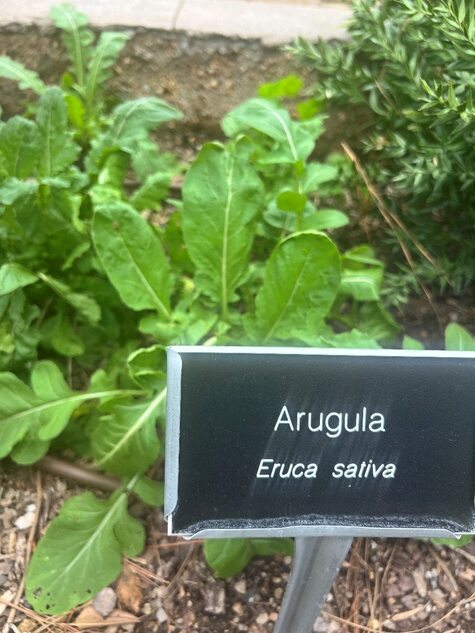
Augula, Eruca sativa, by CMG Mellissa Z
Arugula (Eruca sativa), is a cool-season leafy green known for its peppery, slightly nutty flavor. A member of the mustard (Brassicaceae) family, arugula is one of the easiest vegetables/herbs to grow and one of the most versatile greens to use in the kitchen. Whether you’re an experienced gardener or planting your first vegetable bed, arugula offers quick harvests, exceptional nutrition, and countless culinary possibilities.
Why Grow Arugula?
Texas A&M AgriLife Extension recommends cool-season leafy vegetables because they mature quickly and thrive during the cooler months of spring and fall. Like cilantro, dill and parsley, arugula grows rapidly and can be harvested within four to six weeks after planting under favorable conditions.
Benefits of growing arugula include:
- Fast-growing and easy for beginners
- Produces multiple harvests from one planting
- Performs well in raised beds, containers, and traditional gardens
- Requires little space
- Attracts beneficial insects when allowed to flower
- Adds fresh, homegrown flavor to everyday meals
How to Grow Arugula
Choose the right location by first waiting for the cooler whether in fall or early spring. During cooler weather arugula can withstand full sun, but in warmer climates partial afternoon shade is best. Arugula needs well-drained, fertile soil rich in organic matter and with consistent moisture. Texas gardeners should plant arugula during the cooler seasons. Hot weather causes plants to “bolt,” producing flowers and seeds while the leaves become stronger and more bitter.
Direct sow seeds approximately ¼ inch deep. Space rows 12 to 18 inches apart and then seedlings to 4 to 6 inches apart once they emerge. Succession planting every two to three weeks provides a continuous harvest.
Keep the soil evenly moist but not waterlogged. Mulching around plants helps conserve moisture, regulate soil temperature, and reduce weeds.
Before planting, incorporate compost or balanced fertilizer into the soil according to soil test recommendations. Healthy soil produces tender, flavorful leaves.
Begin harvesting when leaves are 2 to 4 inches long. Pick the outer leaves first while allowing the center of the plant to continue growing. Frequent harvesting encourages new growth and extends the harvest season.
Companion Planting
Companion planting places compatible plants together to improve garden health, attract beneficial insects, and reduce pest pressure. Good companions for arugula include leaf lettuce, spinach, radishes, carrots, beets, onions, garlic, chives, dill, and cilantro. These plants have similar growing requirements or help maximize garden space during the cooler season.
Avoid planting arugula directly beside large brassicas, such as cabbage, broccoli, cauliflower, kale and Brussels sprouts, if space is limited. Because they belong to the same plant family, they can compete for nutrients and are susceptible to many of the same insect pests and diseases. Rotating crops each season also helps reduce pest and disease buildup.
Health Benefits of Arugula
Arugla is low in calories yet rich in nutrients that support overall health.
It provides:
- Vitamin K, important for normal blood clotting and bone health
- Vitamin A, which supports vision, skin, and immune function
- Vitamin C, an antioxidant that supports immune health and collagen production
- Folate, important for cell growth
- Calcium and potassium, which contribute to healthy bones and normal muscle function
- Dietary fiber for digestive health
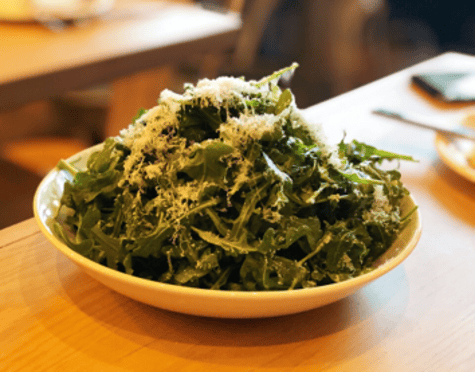
Arugula Salad from Eataly Las Vegas – Feb 2019 – Sarah Stierch from commons.wikimedia.org
In the Kitchen
Blend arugula with olive oil, garlic, Parmesan cheese, nuts, and lemon juice for a peppery alternative to basil pesto.
Resources: Texas A&M AgriLife Extension Service. Texas Home Vegetable Gardening Guide; Texas A&M AgriLife Extension Service. Easy Gardening: Spinach and Other Greens; Texas A&M AgriLife Extension Service. Harvest Gains from Intercropping; Texas A&M AgriLife Extension Service. Everything Texans Ask About Gardening.