by CMG Adrienne M
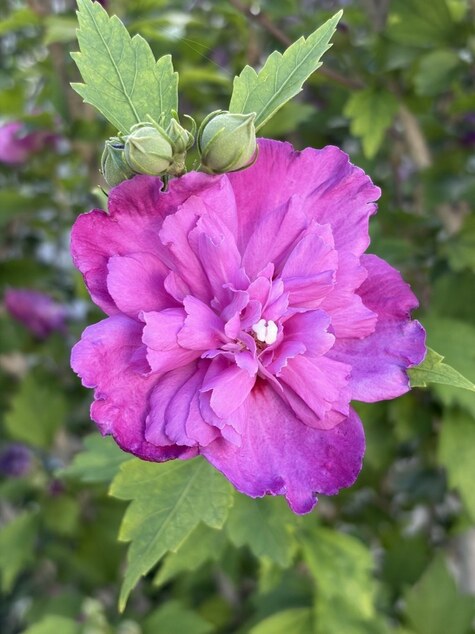
‘Raspberry Smoothie’ Rose of Sharon from CMG Ronnie K
There is no gardening without humility. Nature is constantly sending even its oldest scholars to the bottom of the class for some egregious blunder. ~Alfred Austin
ROSES BY OTHER NAMES: Swamp Rose, Rose of Sharon and Confederate Rose are members of the malvaceae or Mallow family. This includes over 4,000 species of herbs, shrubs and trees, all of the Althea and hibiscus varieties, hollyhocks, cotton, and a summer favorite in the South, okra.
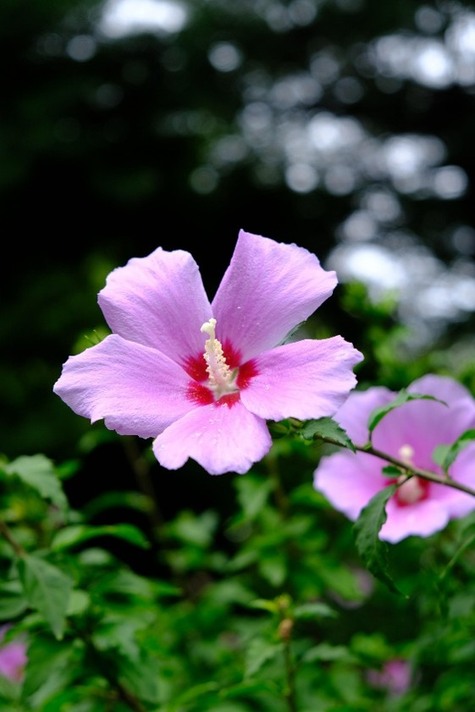
Rose of Sharon from Pixabay by CSKKK
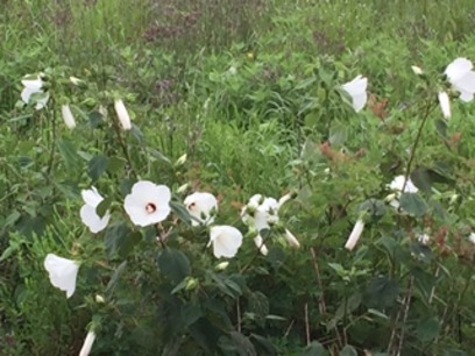
‘Marsh Mallows’ (as we call them), Hibiscus moscheutos, growing in a road-side ditch between Saint Martinville and Lafayette, LA. I took it when driving back to N.B. from St. Martinville, photo from CMG Adrienne
- Okra plants thrive when air temperature is 85+ degrees F. during the day. Pods are usually ready for harvest in about 60 days. So long as you keep picking, the plants will keep producing pods until the weather becomes cool. To learn more about growing okra click here.
- Prune shrub roses now for fall blooms. Remove one-third of the bush; mostly old/dead canes and spent bloom stems. Use a bit of fertilizer that is marked for rose care. The American Rose Society has excellent growing tips. Plantanswers.com also offers useful information on rose care.
- Remove declining annuals from the garden, work in a bit of compost and granular fertilizer, then fill in the space with salvia transplants. Among the varieties recommended for our area are ‘Indigo Spires,’ Salvia gregii (a Texas native), ‘Victoria’ mealycup sage and Texas red sage.
- Check plants for insects and powdery mildew. See the Comal County Gardeners Guide for more information.
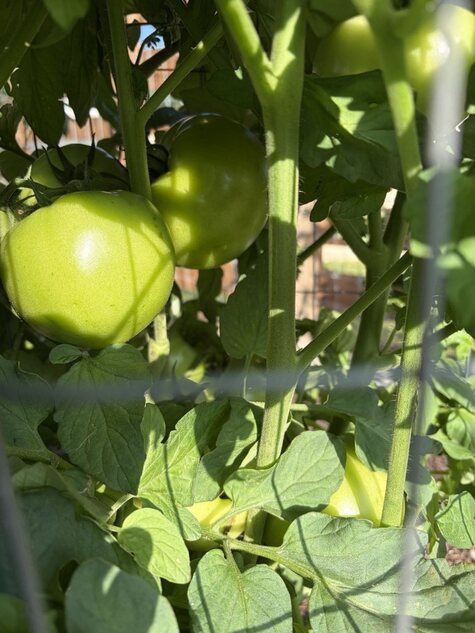
‘Tycoon’ Tomatoes from CMG Ronnie K
- Get vegetable transplants in the ground within the next few days to take advantage of the remaining summer days. For tomatoes, choose fast maturing, determinate varieties that will set blossoms in the heat. Some recommended varieties are Celebrity, Tycoon, BHN 968, Surefire, Phoenix, Valley Cat, Roma Surprise and Large Red Cherry. Seeds of English peas need to be in the ground 8-10 weeks before the first killing frost.
- Potatoes also love the sun and will mature in approximately 110 days. Because they are root vegetables, they benefit more from phosphate and potassium than from nitrogen which encourages beautiful foliage but miniscule potatoes. Choose an all-purpose granular fertilizer with lower nitrogen levels, such as 5-10-10 or 8-24-24. For more information on growing potatoes check out Aggie Horticulture.
- Begin planning for fall flower and vegetable gardens. Consult seed catalogues and on-line sources for new and/or improved varieties of vegetables and favorite garden flowers and plants. Useful on-line resources include Aggie Vegetable Variety Selector, Earth-Kind® Plant Selector and Texas Superstars®.
- The small bulbs of traditional Snowdrops (Galanthus nivalis) dry out easily, and should be planted now, 3-to-4 inches below the ground. Use them to edge a flower bed, plant in a group for a stunning show or intersperse them in groundcover for a pleasant spring surprise.
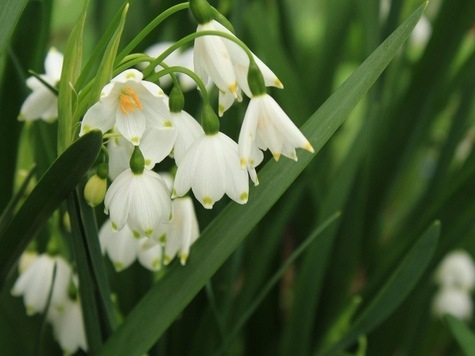
Snowdrops from Pixabay by Gini George
- Birds, Bees and Butterflies – All should be feeding well on summer blooming flowers and seeds, but they still need a source of clean fresh water … and perhaps an occasional slice of watermelon or an over-ripe banana.
- Butterfly brew: In a blender mix several ripe bananas, a pound of brown sugar and a bottle of Guinness Stout beer. Store the mixture in a milk jug with the cap on lightly to allow any forming gas to escape to prevent an explosion. Spoon the mixture onto a large branch or tree stump or use it in a dish.
Resources: ‘Gardens’ by Neil Sperry; Comal County Gardening Guide; Month-by-Month Gardening in Texas by Gill and Groom. The Mallow Family: “The Hardy Hibiscus” Online: aggiehorticulture; oldhousegardens; wildlifegardeners; plantanswers; savvygardening; niftyhomestead.