by CMG Vickie C
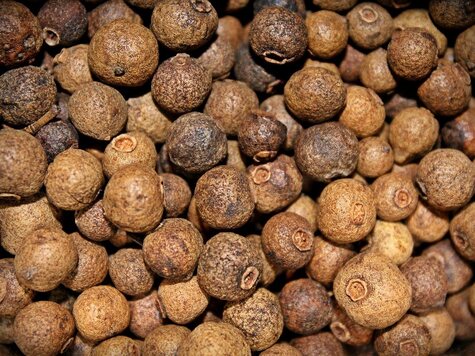
Allspice berries from Pixabay.com by Kati
Overview
Allspice is the dried, unripe fruit of the evergreen tree, Pimenta dioica. Its other common names include Jamaican pepper, pimento, myrtle pepper, and newspice. In Turkish, it is known as yenibahar. Allspice belongs to the myrtle family, Myrtaceae, and is native to the tropical regions of the West Indies, southern Mexico, Central America, and South America. It is the only major culinary spice native to and traditionally produced in the Western Hemisphere.
The Plant
The allspice tree typically grows 20–40 feet tall and resembles a bay laurel tree. It has glossy green leaves and produces small white flowers that develop into reddish-brown berries approximately the size of peppercorns. The berries are harvested while green and unripe, then dried and either sold whole or ground for culinary use.
Despite its name, allspice is unrelated to Carolina allspice, Calycanthus floridus, an ornamental shrub native to the southeastern United States. Its flowers, fresh or dried, are sometimes used as a natural fragrance source.
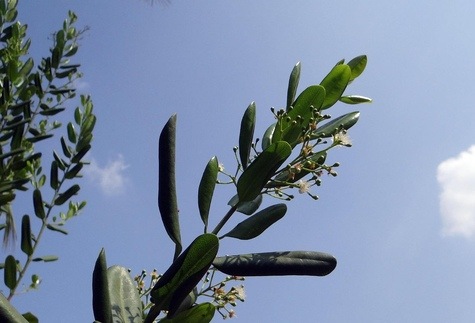
Allspice Tree from Pixabay.com by Bishnu Sirangi
Production and History
Jamaica is the leading traditional producer and exporter of allspice, renowned for the quality and distinctive flavor of its berries.
The spice was encountered by Europeans during Christopher Columbus’ voyages to the Americas. Its name is often associated with the Spanish physician Diego Álvarez Chanca, who accompanied Columbus on his second expedition and documented plants and foods encountered in the New World.
Allspice also has a place in European military history. During the Napoleonic era, Russian soldiers reportedly placed allspice berries in their boots to reduce unpleasant odors and anecdotally to keep their feet warm.
Culinary Uses
The English named the spice allspice because its flavor resembles a combination of cinnamon, nutmeg, and cloves, with subtle notes of pepper and juniper. It’s warm, aromatic flavor makes it an essential ingredient in many Caribbean dishes.
Allspice is widely used in Jamaican jerk seasoning, curry blends, mole sauces, and pickling mixtures. It also enhances soups, stews, marinades, and meat pies. In European cuisine, it is used in certain liqueurs, including Benedictine and Chartreuse.
In the United States, ground allspice is commonly used in desserts such as pumpkin pie, fruit pies, applesauce, cakes, and cookies. It also adds warmth and complexity to seasonal beverages, including mulled cider and Christmas wassail.
Allspice is available both whole and ground. Whole berries retain their flavor longer and can be freshly ground as needed, while ground allspice offers convenience for everyday cooking and baking.
Health Benefits and Traditional Uses
Allspice contains volatile oils, including eugenol, a compound known for its antimicrobial activity in laboratory studies. Traditionally, allspice has been used in folk remedies for digestive discomfort and as a topical remedy for toothache. It has also been used in preparations intended to help mask unpleasant odors.
Although these traditional uses are well established in culinary and folk practices, scientific evidence supporting allspice as a treatment for specific medical conditions remains limited. Its culinary use can contribute flavor and aroma to food, but it should not be considered a substitute for professional medical care.
Recipe: Easy Apple Cider
1 (64 oz) bottle of apple cider; 3 cinnamon sticks;1 tsp whole allspice;1 tsp whole cloves; 1/3 c brown sugar
Combine cider and cinnamon in a slow cooker. Place allspice and cloves in a cheesecloth square then tie up to secure. Place cheesecloth bundle in liquid in the slow cooker. Stir in brown sugar. Cook on high, covered until mixture is steaming and sugar dissolved. Reduce heat and keep warm to serve. (www.allrecipes.com/recipe/42022/easy-apple-cider/)
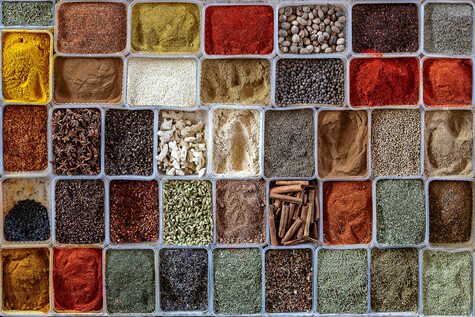
Can you find allspice? from Unsplash.com
References: www.herbsocietyofamerica.org, Allspice, accessed 9/9/26; www.dreamstime.com (images); National Geographic Society, Complete Guide to Herbs & Spices, National Geographic Books, 2015.